Trust in Maps: Investigating the Role of Cognitive Biases
For my master’s thesis, I decided to pick a relevant and growing topic of trust in maps. My interest in trust really sparked when I read Talking to Strangers by Malcolm Gladwell. In his book, there is a chapter where he discusses the Truth-Default Theory (TDT) by Timothy R. Levine. In a nutshell, the TDT explains that people are in a truth-default state when communicating with others. When we communicate, we start by believing.

This idea of truth-default got me thinking about how there is a general assumption that people trust maps. I mean, why not? Maps have been around for a while and have been produced by authoritative sources like government agencies. The thing is, nowadays, cartography has been “democratized,” and maps made by anyone–even AI–can be widely circulated on social media. This causes concerns for trained cartographers and academics because of questions like: What if someone trusts the wrong map and makes a bad decision? Are maps still trustworthy? How can we make sure people can still trust maps?

I had so many questions. What does trusting a map even mean? How do people trust maps? But I kept returning to the idea of truth-default and wanted to test the general assumption that people trust maps by default, that the first thing people do when reading a map is believe.

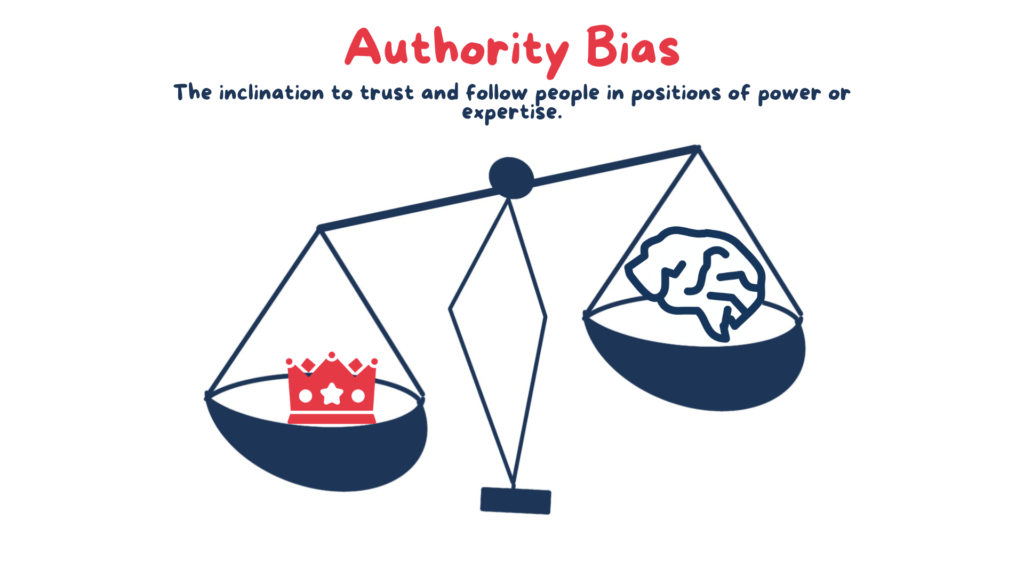
Just like how we don’t trust every person the same way, we don’t trust all maps to the same degree. It depends on certain factors, and these factors can be highly subjective. There has been some evidence in previous data visualization research that shows that maps from authoritative sources tend to be more trustworthy. This makes sense, right? If it’s from an authoritative source, it should be trustworthy. Although it is a valid assumption, some people may have an authoritative bias that is strong enough to impact how they trust maps, even when faced with evidence to the contrary.
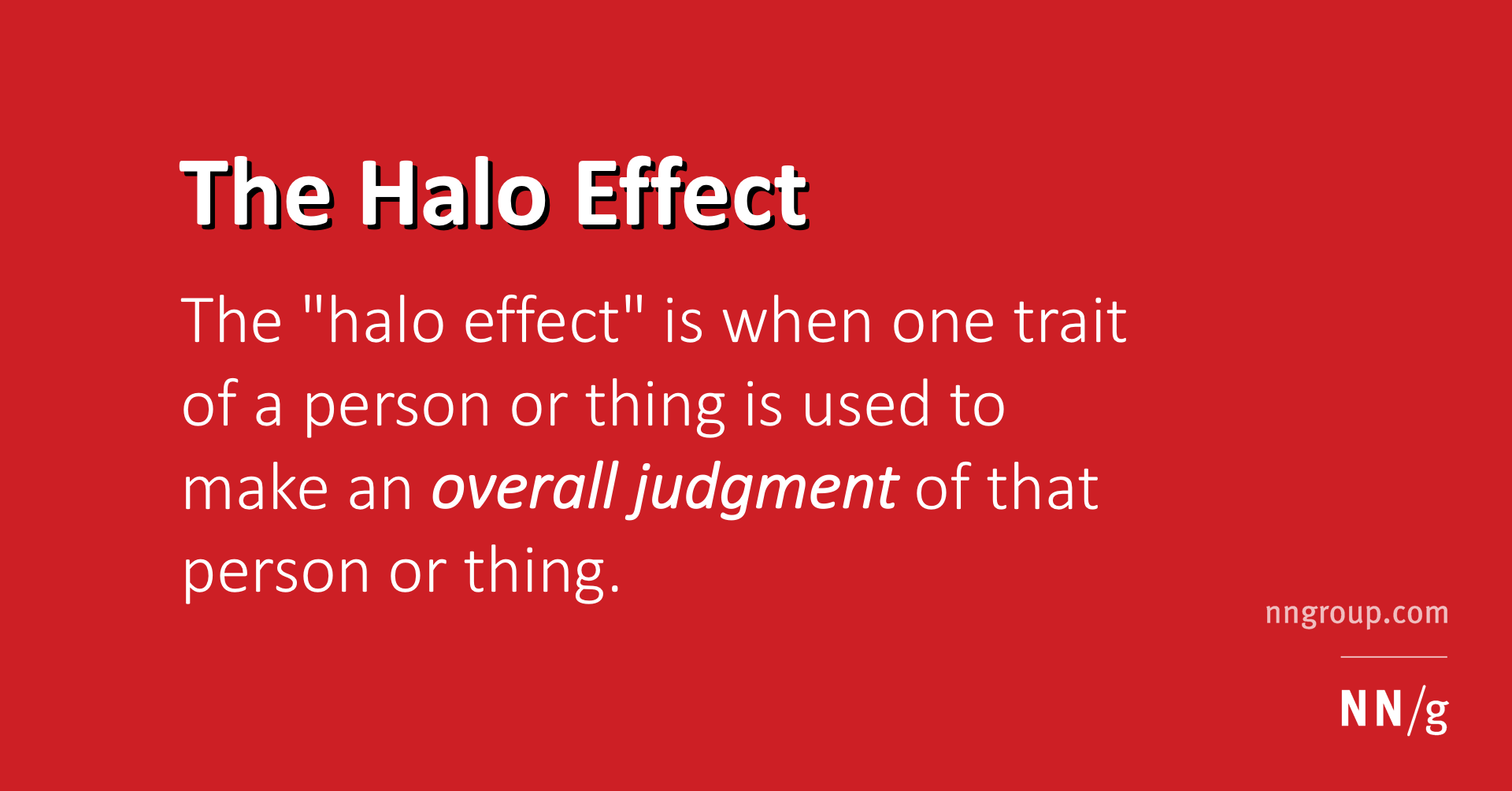
Some evidence also shows that people are more likely to trust data visualizations they find visually appealing. The “halo effect” happens when our good feelings about people, brands, or products in one area influence our opinions in another. This cognitive bias often causes us to judge without having good reasons. Does that mean that the aesthetics of a map can impact how we trust it? If a map looks good, the map maker must know what they’re doing so I can trust it, right?

In my thesis, I conducted a user study to find evidence of the truth-default, authoritative bias, and aesthetics bias. If you are curious, feel free to read more in the link below!
-> Link to full thesis.
 Phoebe Ly